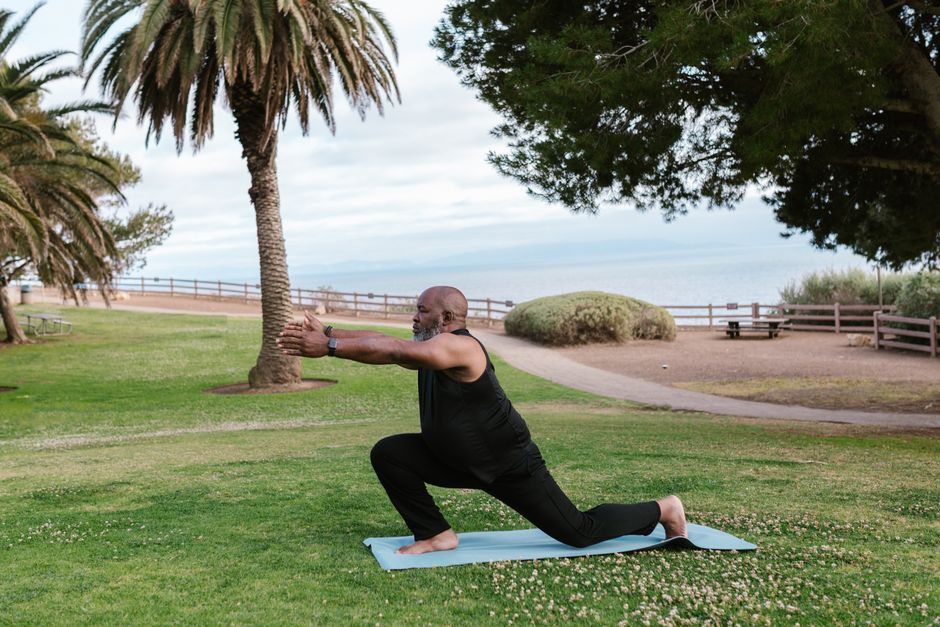
Stiff joints can be a real pain, literally, and they affect millions of people worldwide, causing discomfort, limiting mobility, and impacting overall quality of life. As we age, our joints naturally undergo wear and tear, but factors such as sedentary lifestyle, injury, or certain medical conditions can exacerbate the problem. Fortunately, gentle stretches can help alleviate stiffness, improve flexibility, and reduce pain, making it easier to perform daily activities and enjoy life to the fullest.
Understanding Stiff Joints
Stiff joints occur when the connective tissues surrounding the joints, such as ligaments, tendons, and cartilage, become inflamed, damaged, or less flexible. This can lead to reduced range of motion, pain, and stiffness, especially after periods of inactivity or in the morning. For example, a study published in the Journal of Rheumatology found that 70% of people with osteoarthritis experienced stiffness in the morning, which lasted for an average of 30 minutes. Gentle stretches can help increase blood flow, reduce inflammation, and promote healing, making it an essential part of managing stiff joints. By incorporating stretches into your daily routine, you can improve joint mobility, reduce pain, and enhance overall well-being. It's essential to note that before starting any new exercise program, it's crucial to consult with a healthcare professional, especially if you have any underlying medical conditions.
Benefits of Gentle Stretching
Gentle stretching offers numerous benefits for stiff joints, including improved flexibility, reduced pain, and enhanced mobility. Regular stretching can also help prevent injuries, improve balance, and reduce the risk of falls. According to the American Council on Exercise (ACE), gentle stretching can increase range of motion by up to 20% and reduce muscle soreness by up to 30%. Additionally, gentle stretches can be modified to suit individual needs and abilities, making it an accessible and effective way to manage stiff joints. For instance, chair yoga or water-based exercises can be excellent options for people with limited mobility or chronic pain. By incorporating gentle stretches into your daily routine, you can experience these benefits firsthand and enjoy a more active, healthy lifestyle.
Simple Stretches for Stiff Joints
There are many simple and effective stretches that can help alleviate stiff joints, and the best part is that you can do them anywhere, anytime. For example, the knee lift stretch involves standing with your feet shoulder-width apart, lifting one knee towards your chest, and holding for 10-15 seconds before repeating on the other side. Another example is the shoulder roll, which involves rolling your shoulders forward and backward in a circular motion, repeating for 10-15 repetitions. The hamstring stretch involves sitting on the floor with your legs straight out in front of you, leaning forward, and holding for 15-30 seconds. These stretches can help reduce stiffness, improve flexibility, and promote relaxation, making them an excellent addition to your daily routine. Remember to breathe deeply and slowly while stretching, and don't bounce or force your joints beyond a comfortable range of motion.
Creating a Stretching Routine
Creating a stretching routine can be easy and fun, and it's essential to make it a habit to experience the benefits of gentle stretching. Start by setting aside a specific time each day, such as first thing in the morning or before bed, and begin with short sessions of 5-10 minutes. As you become more comfortable with stretching, you can gradually increase the duration and frequency of your sessions. It's also essential to listen to your body and only stretch to a comfortable range of motion, avoiding any pain or discomfort. You can also incorporate stretching into your daily activities, such as stretching while brushing your teeth or during commercial breaks while watching TV. By making stretching a habit, you can experience the many benefits of gentle stretching and enjoy a more active, healthy lifestyle. Consider keeping a stretching journal to track your progress, note any areas of tension, and adjust your routine accordingly.
Wrapping Up
In conclusion, gentle stretches can be a powerful tool in managing stiff joints, improving flexibility, and reducing pain. By incorporating simple stretches into your daily routine, you can experience the many benefits of gentle stretching and enjoy a more active, healthy lifestyle. Remember to always listen to your body, consult with a healthcare professional if needed, and make stretching a habit to achieve optimal results.
Frequently Asked Questions
Q: What is the best time of day to stretch?
A: The best time to stretch is when your muscles are warm, such as after a warm bath or shower, or after a light cardio session. This can help increase blood flow and reduce muscle soreness.
Q: How often should I stretch?
A: It's recommended to stretch at least 2-3 times a week, with a minimum of 10-15 minutes per session. However, you can stretch daily, as long as you're not experiencing any pain or discomfort.
Q: Can I stretch if I have a chronic condition?
A: Yes, but it's essential to consult with a healthcare professional before starting any new exercise program, especially if you have a chronic condition. They can help you modify stretches to suit your needs and abilities.
Q: What if I experience pain while stretching?
A: If you experience pain while stretching, stop immediately and rest. You can also try modifying the stretch to reduce the intensity or seeking guidance from a healthcare professional or fitness expert.