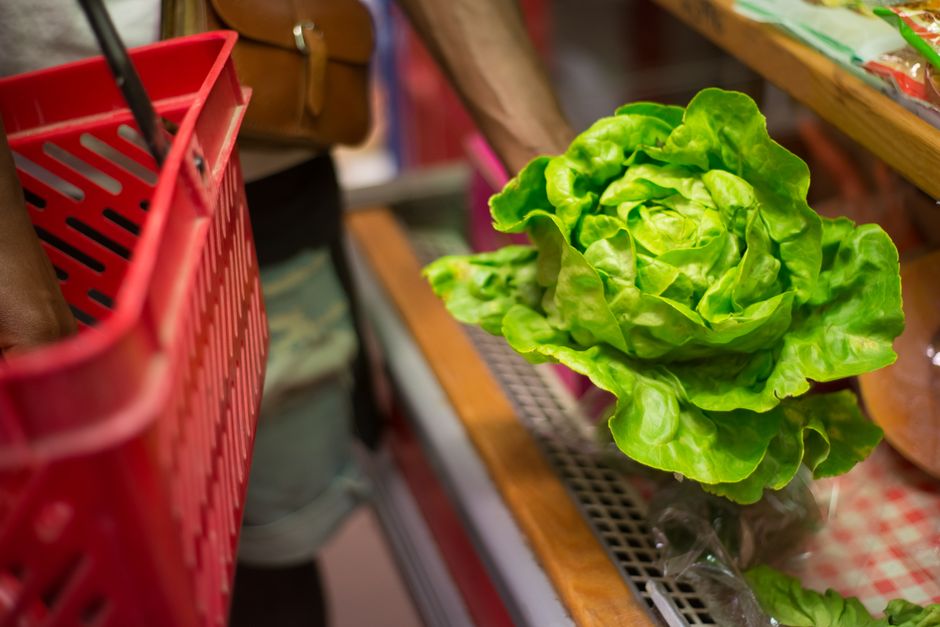
Opening paragraph — Hook the reader with why this matters (2-3 sentences)
When it comes to feeding ourselves and our families, food choices are more than just personal preferences; they can significantly impact both your health and wallet. Whether you're a seasoned shopper or a first-time grocery picker, understanding how to buy food wisely is crucial for making every dollar count and ensuring good nutrition.
## [First Thing] — H2 heading + 150-250 word section
#### **[First Thing: Shop with a Plan]**
Before you even step into the supermarket, having a plan can save you both time and money. Write down your meal plans for the week, noting what ingredients you need. Stick to this list when shopping; studies show that those who plan their meals are more likely to eat healthily and spend less. For example, if you're planning several recipes involving chicken breasts, purchase them in bulk at a discounted rate. This not only reduces your overall grocery bill but also ensures you always have the essentials on hand.
## [Second Thing] — H2 heading + 150-250 word section
#### **[Second Thing: Compare Prices and Buy in Bulk]**
Buying items in bulk can be a smart strategy, provided they are non-perishable or shelf-stable. Canned goods, pasta, rice, and frozen vegetables are great options for bulk buying because they often come with significant discounts compared to their single-serve counterparts. However, always check the expiration dates and ensure that you won’t end up with more than your family can consume before it spoils.
Moreover, don't overlook sales flyers from different stores; they often highlight deals on staple items like bread or milk. By comparing prices across various brands and stores, you might find substantial savings. For instance, a gallon of milk at the local supermarket could be cheaper than an individual container at a convenience store. This practice helps in stretching your budget further without compromising quality.
## [Third Thing] — H2 heading + 150-250 word section
#### **[Third Thing: Embrace Seasonal Produce]**
Seasonal produce is not only fresher and tastier, but it also tends to be less expensive. In-season fruits and vegetables are abundant, which means producers can offer them at lower prices without compromising on quality. For example, strawberries in June cost significantly less than those imported from South America during the winter months.
Moreover, seasonal eating supports local farmers and reduces your carbon footprint by minimizing transportation needs. Incorporating seasonal ingredients into your meals can be a fun way to explore new recipes and flavors while keeping costs down. A simple swap like using apples in fall instead of bananas in summer can make a noticeable difference in your grocery bills.
## [Fourth Thing] — H2 heading + 150-250 word section
#### **[Fourth Thing: Utilize Coupons and Discounts]**
Coupons and discounts are everywhere, but not all of them offer real value. It’s crucial to be selective about which coupons you use based on your actual needs. Manufacturer coupons can be particularly useful for frequently purchased items like bread or cereal, where the savings can add up.
Additionally, many grocery stores have their own loyalty programs that offer various benefits, including cashback offers and exclusive discounts. By signing up, you might gain access to additional perks such as free samples or special events. For example, a store’s loyalty card might provide 5% off your next purchase if you spend $100 in the current month. This kind of strategy can make small savings significant over time.
## Wrapping Up — Brief conclusion (2-3 sentences)
By implementing these strategies—shopping with a plan, comparing prices, embracing seasonal produce, and utilizing coupons—you can significantly enhance your grocery shopping experience. Not only will you save money, but you'll also ensure that the food you buy is fresh, nutritious, and meets your family’s needs.
## Frequently Asked Questions — 3-4 Q&A pairs in this format:
Q: Question here?
A: Answer here (1-2 sentences).
Q: Should I always buy everything on sale?
A: No, not necessarily. Sales can be great for certain items but buying only sales might lead to purchasing things you don't need or won’t use up before they expire.
Q: How do I know if a bulk purchase is worth it?
A: Evaluate the expiration dates and compare prices with smaller quantities; if the bulk option is significantly cheaper and won’t go to waste, then it’s a good deal.